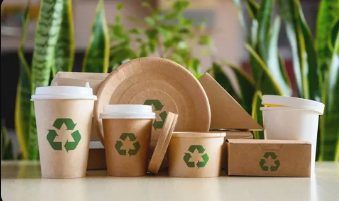
Material Pairing Built Around Product Reality
Our packaging recommendations begin with what is actually being shipped, not with a trend-driven material list. Lightweight garments, glass cosmetic jars, powdered supplements, refill pouches, books, and boxed home accessories all demand different combinations of cushioning, rigidity, closure strength, and moisture resistance. We study how a parcel behaves during handling so brands can adopt biodegradable or recyclable formats without sacrificing protection. This practical selection process lowers the risk of product damage, overpackaging, and expensive returns while also helping online sellers present a more credible environmental profile to increasingly attentive customers.
Right-Sized Structures for Fulfillment Efficiency
E-commerce teams need packaging that works fast on the packing line, fits shelving logic, and controls dimensional weight. We focus on structures that reduce wasted internal space, simplify taping or sealing, and improve case handling for warehouse staff. Right-sized formats can support lower filler usage, cleaner storage, and more predictable shipping costs while still keeping the unboxing experience refined. For growing brands, this balance matters because operational discipline is just as important as sustainability language when packaging decisions are scaled across large order volumes.
Brand Presentation Without Excess Layers
A memorable parcel does not require elaborate wasteful construction. We help businesses create strong shelf-to-door branding through selective print placement, tactile papers, considered color palettes, insert cards, and smart interior organization. This means a shipment can still feel curated and premium while using fewer redundant wraps, bags, and decorative extras. The benefit is twofold: customers receive a cleaner, more intentional package, and merchants maintain an elevated image without building cost or complexity into every order.
Clear Sustainability Communication
Many brands struggle to explain how to dispose of innovative packaging materials. We support packaging layouts that leave room for simple guidance on recycling, composting, and material separation where relevant. Better communication reduces customer confusion and protects a brand from overstated or vague environmental messaging. By keeping sustainability claims grounded in real material behavior and disposal pathways, businesses can speak more confidently and build trust through transparency rather than marketing shortcuts.
Flexible Packaging for Diverse Product Lines
Online merchants rarely ship only one product type forever. Seasonal kits, bundle offers, gift editions, refill models, and promotional campaigns often require a packaging system that can adapt without forcing a complete reset. We plan assortments of mailers, inserts, cartons, and protective accessories that work together across changing SKU mixes. This gives businesses a more resilient packaging structure, making it easier to launch new products, maintain visual consistency, and avoid over-ordering highly specific formats that later become inefficient.
Operational Guidance That Supports Transition
Switching to biodegradable packaging is not just a purchasing decision; it is an operational change. We therefore frame our work around implementation clarity, from pack assembly and storage to seal methods and customer-facing notes. This helps warehouse teams adopt new materials with less friction and gives brand managers a clearer path for communicating the update. A smoother transition protects service quality while enabling the company to move toward lower-impact packaging with more confidence and less disruption.